Quick Answer
Website design that converts is the process of building a website that not only looks professional but also guides visitors toward taking specific actions such as filling out a form, making a call, or requesting a quote. By combining clear messaging, strong calls to action, fast performance, and structured content, businesses can turn website traffic into measurable results.
A website is often the first impression a potential customer has of a business. However, many websites are designed to look good without being built to generate results.
Modern businesses need websites that do more than display information. They need websites that guide visitors toward taking action.
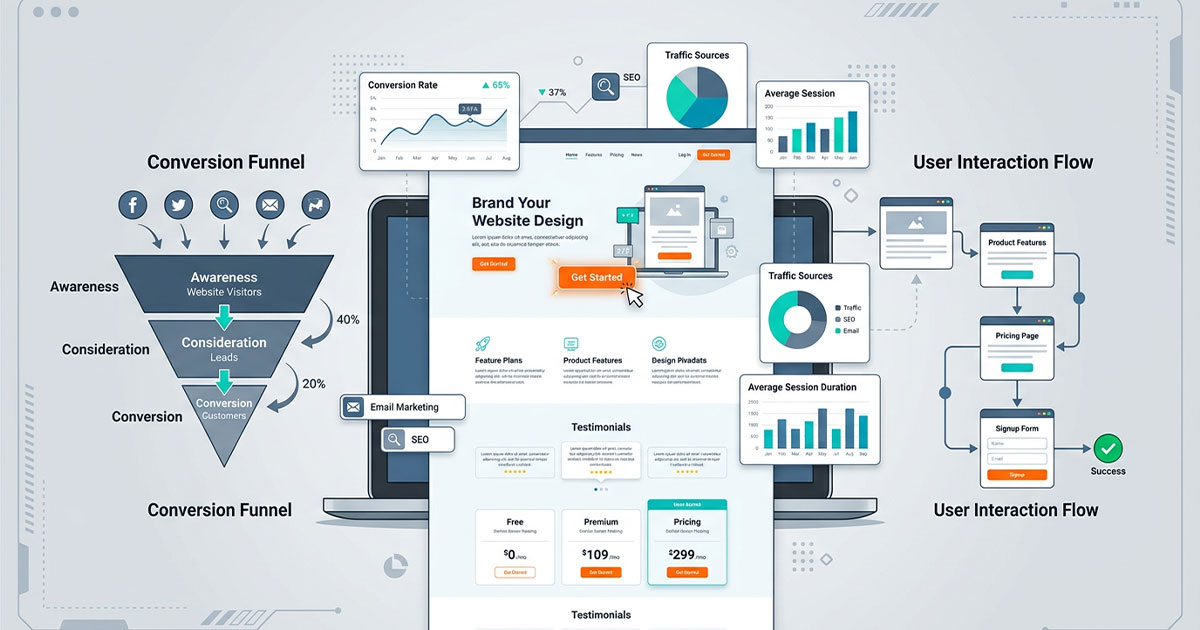
Website design that converts focuses on turning traffic into leads and customers through strategic layout, messaging, and user experience.
As search engines continue to evolve, websites also play an important role in supporting visibility in search results.
To understand how visibility connects to conversions, explore our complete guide to Local SEO and Answer Engine Optimization.
What Is a High-Converting Website?
A high-converting website is designed to guide users toward a specific goal.
This goal may include:
- submitting a contact form
- requesting a quote
- making a phone call
- scheduling a consultation
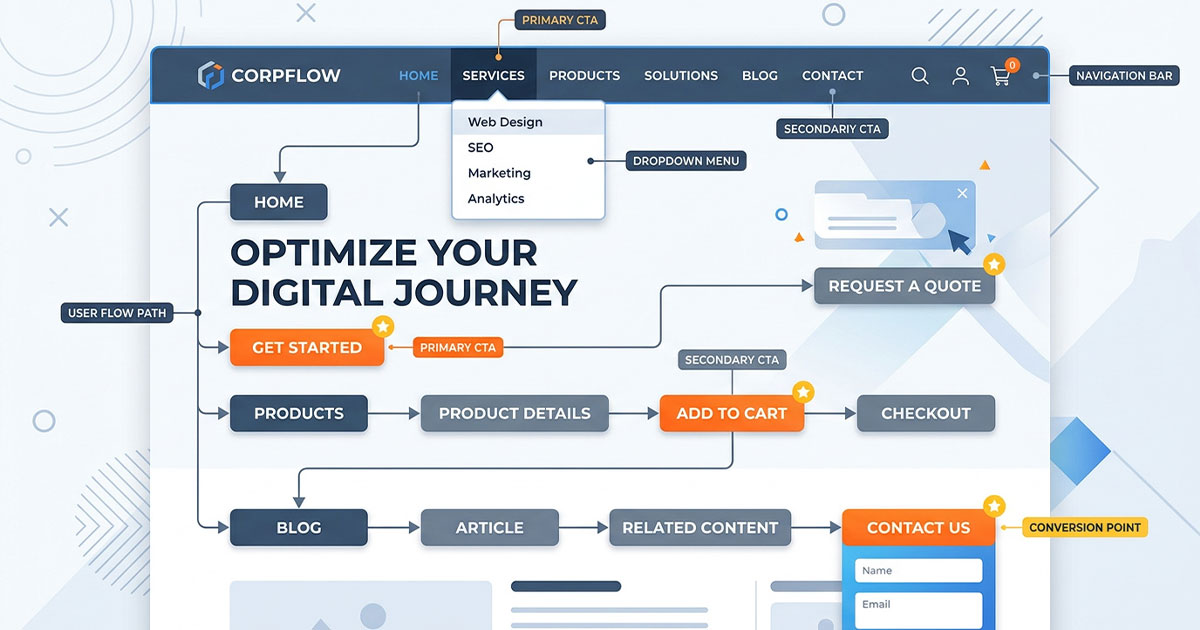
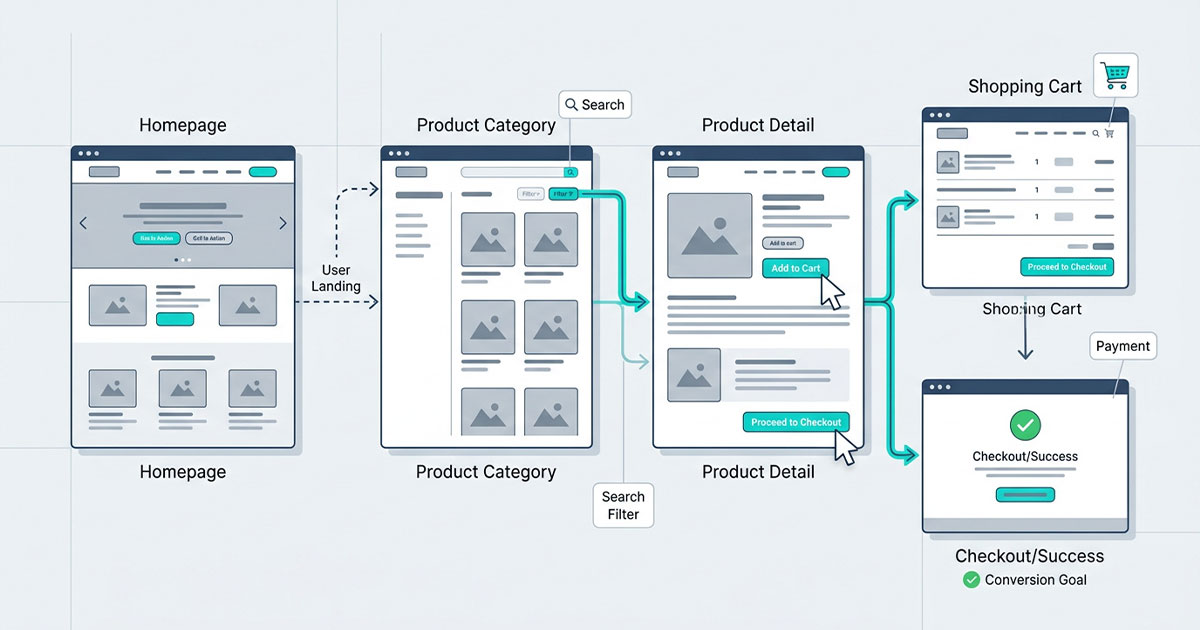
Unlike traditional websites that simply provide information, high-converting websites are built with clear user pathways.
Every element on the page should support the user’s journey.
This includes:
- layout and structure
- messaging and headlines
- calls to action
- page speed and performance
Why Website Design Matters for Business Growth
Website design directly impacts how users interact with a business online.
A poorly designed website can cause visitors to leave quickly, while a well-structured website can guide users toward conversion.
Effective website design improves:
- user experience
- trust and credibility
- engagement
- lead generation
Businesses that invest in conversion-focused design often see measurable improvements in their marketing performance.
The Connection Between Website Design, SEO, and AEO
Website design plays a critical role in both traditional search engine optimization and Answer Engine Optimization.
Search engines evaluate how content is structured, how quickly a site loads, and how users interact with pages.
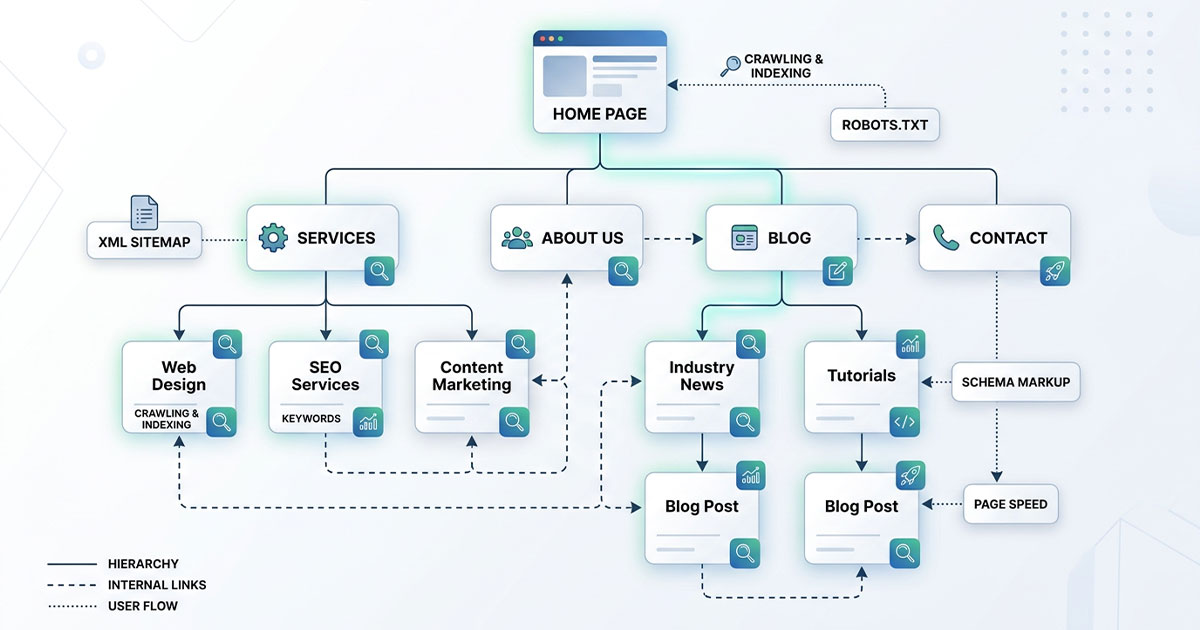
Well-designed websites make it easier for search engines to interpret content.
This improves visibility in:
- search results
- featured snippets
- AI-generated summaries
To understand how search engines interpret content, read The Role of Content Structure in SEO and AEO.
Key Elements of a High-Converting Website
Several elements contribute to a website’s ability to generate leads and conversions.
Clear Messaging
Visitors should immediately understand what a business offers.
Clear headlines and supporting text help users quickly identify whether the website meets their needs.
Strong Calls to Action
Calls to action guide users toward taking the next step.
Examples include:
- “Request a Quote”
- “Schedule a Consultation”
- “Get Started Today”
Effective calls to action are visible, direct, and easy to follow.
Mobile Optimization
A large percentage of users access websites through mobile devices.
Websites must be optimized for smaller screens to ensure a seamless experience.
Mobile optimization also supports visibility in search results.
Fast Load Speed
Website speed impacts both user experience and search performance.
Slow-loading websites often lead to higher bounce rates.
Faster websites improve engagement and increase conversion rates.
Structured Layout
Content should be organized in a way that is easy to read and navigate.
Structured layouts help users quickly find information and make it easier for search engines to interpret content.
Landing Pages and Conversion Funnels
Landing pages play a critical role in converting website visitors into leads.
These pages are designed with a single goal in mind.
Effective landing pages include:
- a clear headline
- a focused message
- a strong call to action
- minimal distractions
Landing pages are often used in paid advertising campaigns to capture leads.
To understand how paid traffic connects to conversions, explore our Paid Ads Management services.
User Experience and Navigation
User experience (UX) refers to how users interact with a website.
A well-designed user experience helps visitors move through a website naturally.
Key UX elements include:
- intuitive navigation
- clear page structure
- easy-to-find information
- consistent design
Good navigation reduces friction and helps users reach their goals more efficiently.
Common Website Design Mistakes
Many businesses unintentionally reduce their conversion potential through poor design choices.
Common mistakes include:
- cluttered layouts
- unclear messaging
- weak calls to action
- slow load speeds
- lack of mobile optimization
Avoiding these mistakes can significantly improve website performance.
How Businesses Can Improve Website Conversions
Improving website performance requires a strategic approach.
Businesses can increase conversions by:
- simplifying their website layout
- improving messaging clarity
- strengthening calls to action
- optimizing for mobile devices
- monitoring performance data
Consistent improvements over time can lead to significant growth in lead generation.
Frequently Asked Questions
What is a high-converting website?
A high-converting website is designed to guide visitors toward taking specific actions such as submitting a form or requesting a service.
Why is website design important for conversions?
Website design influences how users interact with a site and whether they take action.
How does website design impact SEO?
Website design affects site speed, content structure, and user experience, all of which influence search visibility.
What are the most important elements of a website?
Key elements include clear messaging, strong calls to action, fast load speed, and mobile optimization.
Conclusion
Website design plays a critical role in how businesses convert online traffic into leads and customers. As digital marketing continues to evolve, websites must be built with both user experience and performance in mind.
By focusing on clear messaging, structured content, and conversion-driven design, businesses can improve their ability to generate results online.
To understand how search visibility supports website performance, explore our complete guide to Local SEO and Answer Engine Optimization.
About PG38 Creative
Marketing Strategies Built for Growth
PG38 Creative helps businesses grow through strategic marketing, creative content, and advanced search visibility. Our team specializes in website design, video marketing, paid advertising, and modern search strategies like SEO and Answer Engine Optimization (AEO).
We help companies build systems that attract customers, generate leads, and create long-term brand visibility.