Quick Answer
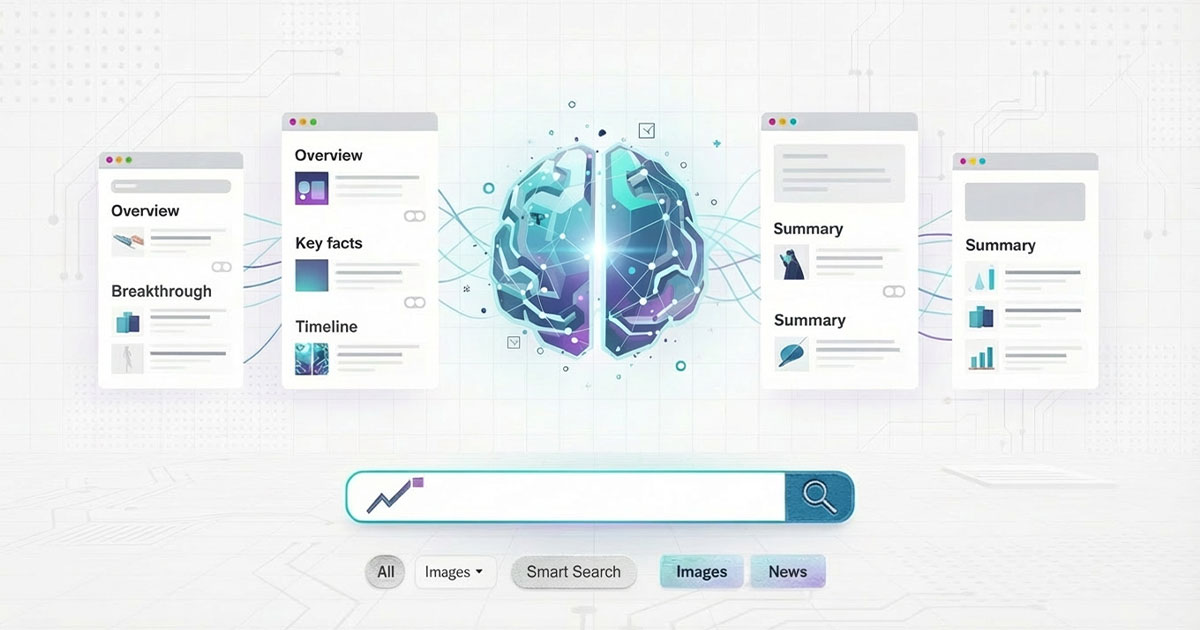
Content structure refers to how information is organized on a webpage using headings, paragraphs, lists, and logical sections. Well-structured content helps search engines understand the meaning of a page and makes it easier to extract answers for featured snippets, voice search responses, and AI-generated search summaries.
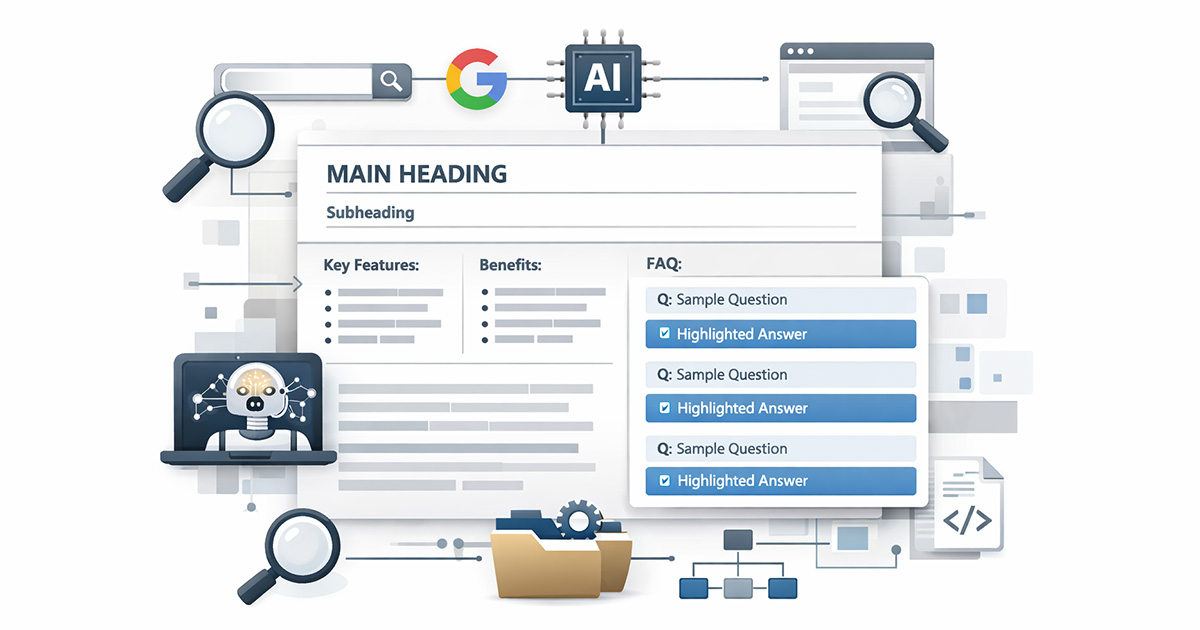
Search engines rely on more than keywords to determine how information should appear in search results. Modern search algorithms analyze how content is structured and organized to understand the meaning behind the information on a webpage.
Content structure plays a critical role in helping search engines interpret webpages and extract useful answers for search results.
When content is organized clearly, search engines can more easily identify important information and display it in formats such as featured snippets, AI summaries, and voice search responses.
To understand how these strategies work together, explore our complete guide to Local SEO and Answer Engine Optimization.
What Is Content Structure in SEO?
Content structure refers to how information is organized within a webpage.
Instead of presenting information in long blocks of text, structured content divides information into logical sections using headings, paragraphs, lists, and summaries.
These elements help search engines understand the hierarchy of information on a page.
For example, structured content may include:
- descriptive headings that explain each section
- short paragraphs explaining key concepts
- bullet lists summarizing information
- FAQ sections answering common questions
This format allows both readers and search engines to navigate content more efficiently.
Structured content also plays an important role in Answer Engine Optimization, which focuses on helping search engines extract direct answers from webpages.
Why Content Structure Matters for Modern Search
Search engines aim to provide users with clear and immediate answers.
To accomplish this, they analyze webpages to determine which sections contain the most relevant information.
Content that is well organized is easier for search engines to interpret.
When search engines can easily understand a webpage, they are more likely to display that information in enhanced search results.
These enhanced results may include:
- featured snippets
- AI-generated search summaries
- voice assistant responses
- conversational search answers
Structured content makes it easier for search engines to identify which information should be presented to users.
For example, many featured snippets are pulled directly from clearly structured sections of webpages.
To learn more about this process, review How Featured Snippets Work in Google Search.
Key Elements of Well-Structured Content
Several elements contribute to effective content structure.
Businesses that use these formatting techniques make it easier for search engines to interpret their webpages.
Clear Headings
Headings organize content into logical sections and help search engines understand the topic of each section.
Headings should reflect common search queries whenever possible.
Short, Informative Paragraphs
Short paragraphs allow readers to quickly understand key ideas and make it easier for search engines to identify relevant information.
Long blocks of text can make it more difficult for search engines to extract answers.
Bullet Lists and Summaries
Lists help summarize important information and often appear in featured snippets.
Search engines frequently select bullet lists when displaying step-by-step instructions or key points.
Question-Based Sections
Sections that directly answer common questions help search engines identify useful answers.
These sections often appear in voice search responses.
To understand how conversational queries influence search results, read Voice Search Optimization for Businesses.
How Content Structure Supports AEO
Answer Engine Optimization focuses on helping search engines extract useful answers from webpages.
Structured content provides the context that search engines need to identify those answers.
When information is organized clearly, search engines can display it in several formats, including:
- featured snippets
- knowledge panels
- voice assistant responses
- AI-generated summaries
Businesses that combine structured content with strong topical authority improve their chances of appearing in these answer-driven search results.
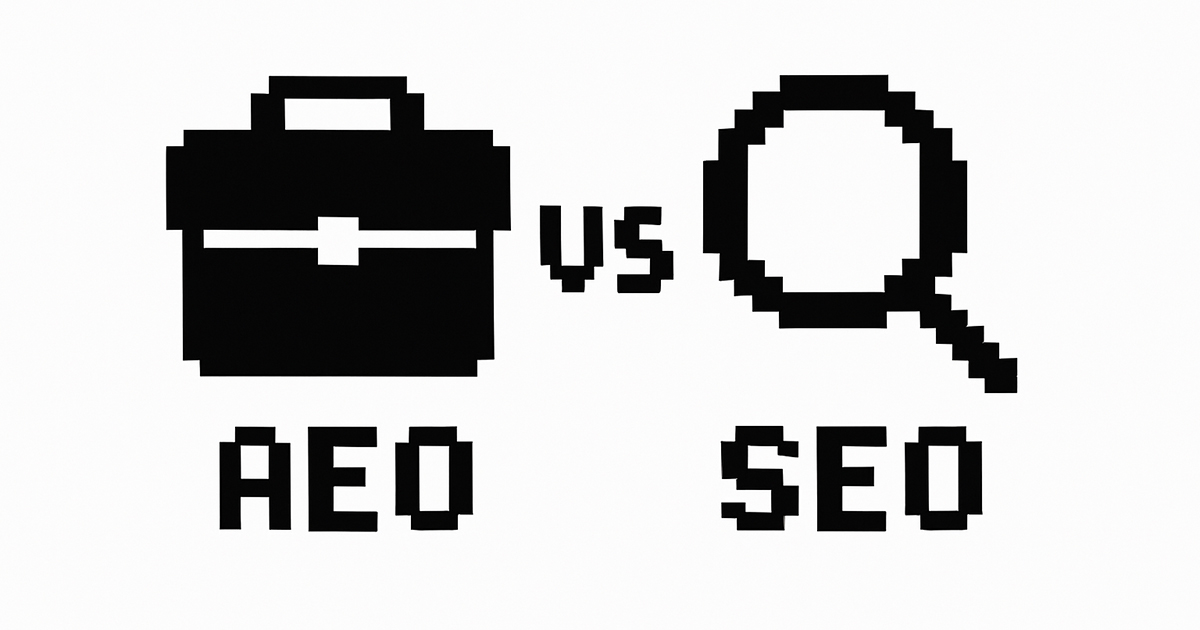
To understand how answer-based search strategies differ from traditional SEO approaches, read SEO vs AEO: What Businesses Need to Know.
Common Content Structure Mistakes
Many businesses unintentionally make their content harder for search engines to interpret.
Some common mistakes include:
- using long blocks of text without headings
- failing to answer common user questions
- organizing content without a clear hierarchy
- avoiding lists or summaries that highlight key information
These issues make it more difficult for search engines to extract useful answers from webpages.
Improving content structure can significantly increase the chances of appearing in enhanced search results.
Frequently Asked Questions
What is content structure in SEO?
Content structure refers to how information is organized on a webpage using headings, paragraphs, lists, and logical sections.
Why is structured content important for SEO?
Structured content helps search engines understand the meaning and hierarchy of information on a webpage, which improves the chances of appearing in enhanced search results.
How does content structure support AEO?
Answer Engine Optimization relies on clear content formatting that allows search engines to extract answers from webpages.
Does structured content help voice search results?
Yes. Voice assistants often rely on clearly structured content to deliver spoken answers to user questions.
Conclusion
Content structure plays a critical role in how search engines interpret webpages and deliver information to users. As search technology continues to evolve, businesses must focus on organizing their content in ways that make information easy to understand and extract.
By combining strong content structure with Answer Engine Optimization and traditional SEO strategies, businesses can improve their visibility in featured snippets, voice search responses, and AI-generated search summaries.
To learn how these strategies work together, explore our complete guide to Local SEO and Answer Engine Optimization.
About PG38 Creative
Marketing Strategies Built for Growth
PG38 Creative helps businesses grow through strategic marketing, creative content, and advanced search visibility. Our team specializes in website design, video marketing, paid advertising, and modern search strategies like SEO and Answer Engine Optimization (AEO).
We help companies build systems that attract customers, generate leads, and create long-term brand visibility.