Quick Answer
SEO and AEO performance are measured by tracking how often content appears in search results, how users interact with it, and how effectively it answers search queries. Key metrics include impressions, click-through rates, rankings, and engagement, along with visibility in featured snippets and AI-generated search summaries.
Measuring performance is one of the most important aspects of any digital marketing strategy. Without clear data, businesses cannot determine whether their efforts are improving search visibility or driving meaningful results.
As search engines evolve, performance measurement must also adapt. Traditional SEO metrics still play a critical role, but businesses must now consider how their content performs in AI-driven search environments.
Understanding how to measure both SEO and Answer Engine Optimization performance helps businesses make informed decisions and refine their strategies over time.
To understand how modern search strategies work together, explore our complete guide to Local SEO and Answer Engine Optimization.
What Does SEO Performance Mean?
SEO performance refers to how well a website ranks and appears in traditional search engine results.
This includes visibility for targeted keywords, organic traffic, and user engagement.
Common SEO performance indicators include:
- keyword rankings
- organic traffic
- click-through rates
- bounce rates
- time on page
These metrics help businesses understand how users interact with their content.
However, traditional SEO metrics alone do not fully capture how content performs in modern search environments.
What Does AEO Performance Mean?
Answer Engine Optimization performance focuses on how effectively content is used by search engines to deliver direct answers.
Instead of measuring only rankings, AEO evaluates how content appears in answer-based search results.
This includes:
- featured snippets
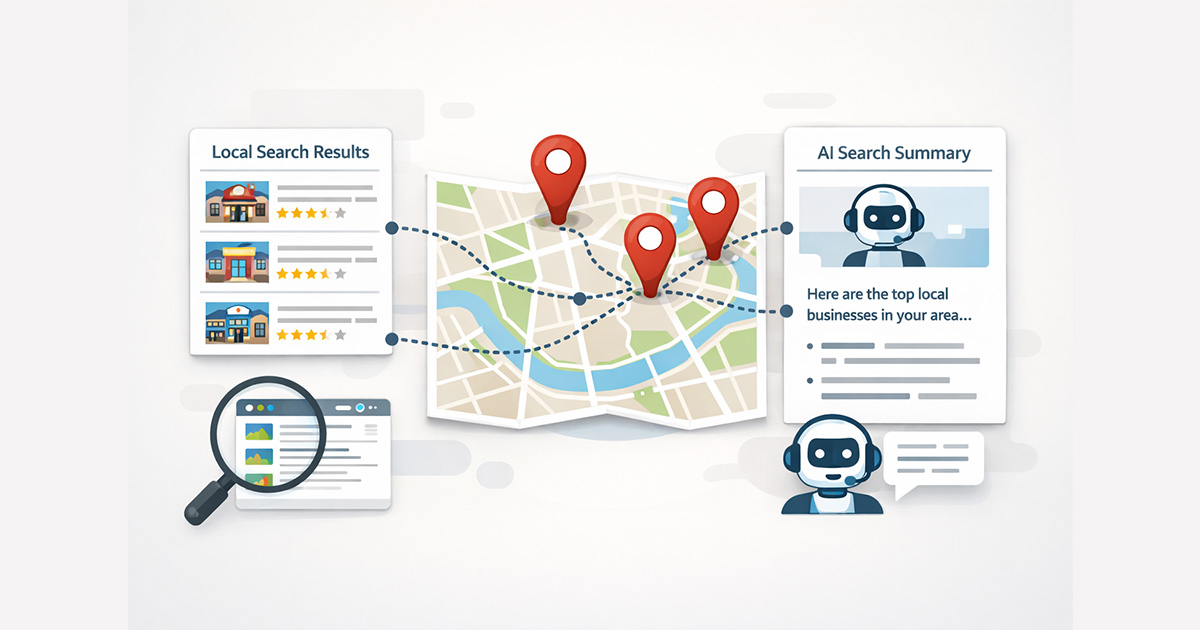
- AI-generated search summaries
- voice search responses
- conversational search results
Businesses that structure their content clearly improve their chances of appearing in these formats.
To understand how answer-based optimization works, read What Is Answer Engine Optimization (AEO)?.
Key Metrics for Measuring SEO Performance
Several metrics provide insight into traditional search performance.
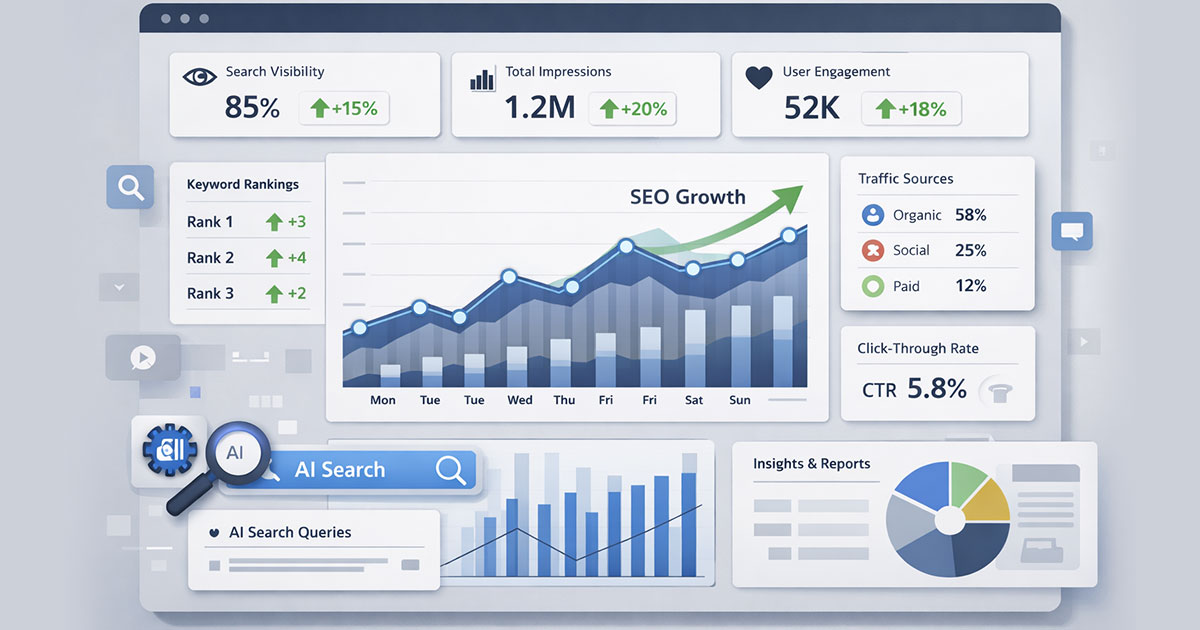
Impressions
Impressions show how often a webpage appears in search results.
Higher impressions indicate increased visibility.
Click-Through Rate (CTR)
CTR measures how often users click on a search result after seeing it.
Improving content titles and descriptions can increase CTR.
Keyword Rankings
Tracking keyword rankings helps businesses understand where their content appears in search results.
Higher rankings generally lead to more traffic.
User Engagement
Metrics such as time on page and bounce rate indicate how users interact with content.
Engaging content often performs better in search results.
Key Indicators for AEO Performance
Measuring AEO performance requires a slightly different approach.
Because AI search results are not always tracked in the same way as traditional rankings, businesses must look for indirect signals.
Important indicators include:
- appearance in featured snippets
- visibility in AI-generated summaries
- increased impressions for question-based queries
- growth in long-tail search traffic
- improved engagement on informational content
To understand how featured snippets influence visibility, review How Featured Snippets Work in Google Search.
Tools for Tracking SEO and AEO Performance
Several tools help businesses monitor their search performance.
Google Search Console
Google Search Console provides data on:
- impressions
- clicks
- average position
- search queries
This tool is essential for understanding how content appears in search results.
Google Analytics
Google Analytics tracks user behavior on a website, including:
- traffic sources
- user engagement
- page performance
This helps businesses understand how visitors interact with their content.
SEO Platforms
Additional tools such as SEO software platforms provide deeper insights into keyword rankings, backlinks, and competitive analysis.
These tools help businesses refine their strategies over time.
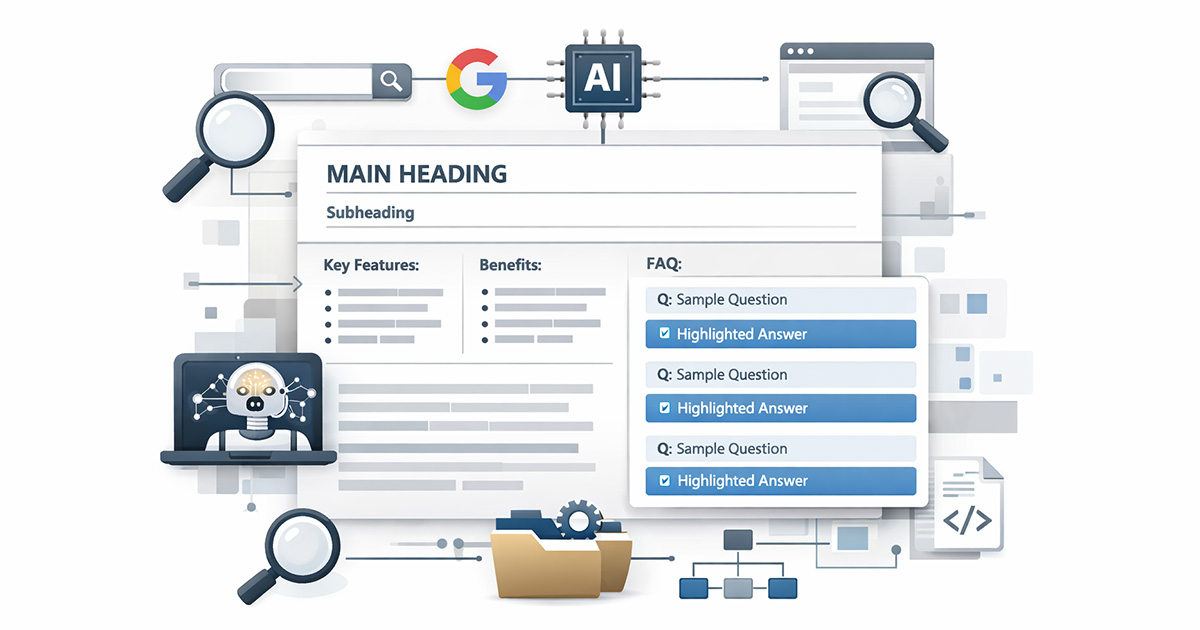
How Content Structure Impacts Performance
Content structure plays a major role in how content performs across both SEO and AEO.
Search engines prefer content that is easy to interpret and summarize.
Structured content improves:
- visibility in featured snippets
- clarity for AI-generated answers
- user engagement
To understand how formatting influences performance, read The Role of Content Structure in SEO and AEO.
The Importance of Topic Clusters
Topic clusters help search engines understand the relationships between different pieces of content.
Businesses that create multiple articles around a central topic build stronger authority signals.
For example, articles about:
- voice search
- featured snippets
- AI search
- structured content
all contribute to a broader understanding of search optimization.
To understand how AI systems interpret content, review How AI Search Engines Deliver Answers.
Common Mistakes When Measuring Performance
Many businesses misinterpret their search performance data.
Common mistakes include:
- focusing only on rankings
- ignoring engagement metrics
- failing to track long-tail search queries
- overlooking AI-driven search visibility
Understanding the full picture of performance helps businesses make better strategic decisions.
To avoid these issues, read Common SEO and AEO Mistakes Businesses Make.
Frequently Asked Questions
How do you measure SEO performance?
SEO performance is measured using metrics such as impressions, click-through rates, keyword rankings, and user engagement.
What is AEO performance?
AEO performance refers to how often content is used by search engines to provide direct answers in featured snippets, AI summaries, and voice search results.
What tools are best for tracking SEO performance?
Google Search Console and Google Analytics are essential tools for tracking search visibility and user engagement.
Can you track AI search results?
AI search results are more difficult to track directly, but businesses can monitor impressions, long-tail queries, and engagement to estimate performance.
Conclusion
Measuring SEO and AEO performance is essential for understanding how content performs in modern search environments. As search engines continue to evolve, businesses must look beyond traditional metrics and consider how their content appears in answer-based search results.
By tracking key performance indicators and refining content strategies, businesses can improve their visibility across traditional search results, featured snippets, and AI-generated summaries.
To learn how these strategies work together, explore our complete guide to Local SEO and Answer Engine Optimization.
About PG38 Creative
Marketing Strategies Built for Growth
PG38 Creative helps businesses grow through strategic marketing, creative content, and advanced search visibility. Our team specializes in website design, video marketing, paid advertising, and modern search strategies like SEO and Answer Engine Optimization (AEO).
We help companies build systems that attract customers, generate leads, and create long-term brand visibility.