Quick Answer
Mobile optimization ensures that a website is fast, easy to use, and visually clear on mobile devices. By improving responsiveness, load speed, and navigation, businesses can reduce friction and increase conversions from mobile users.
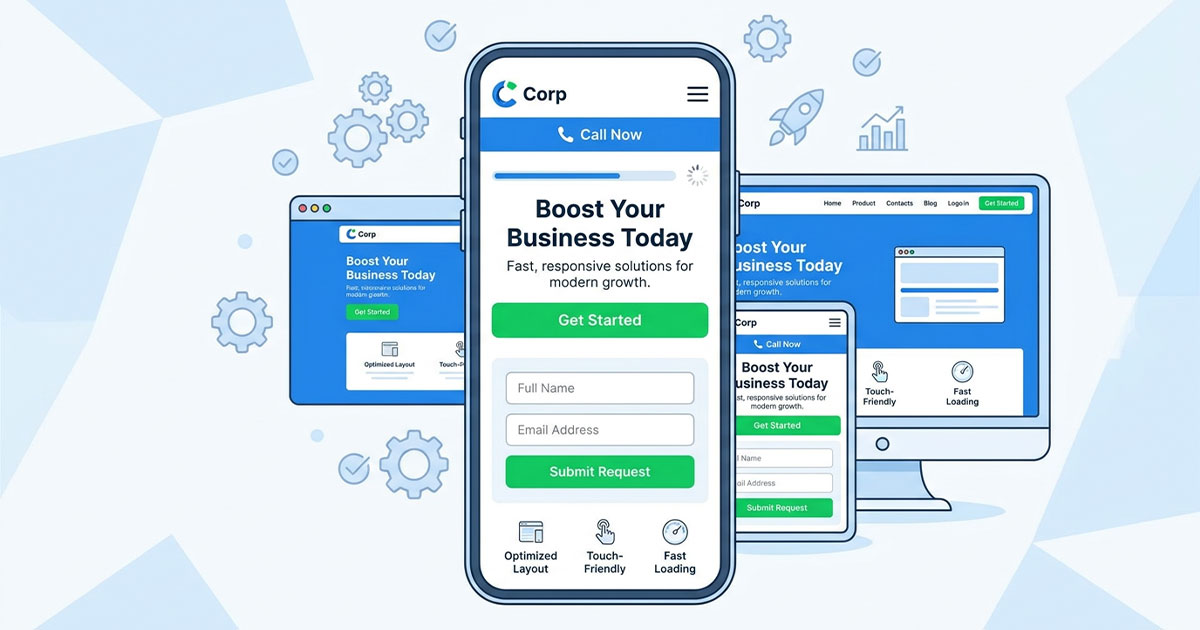
Mobile traffic now represents a significant portion of website visits. For many businesses, the majority of users access their website through a smartphone.
If a website is not optimized for mobile, it creates friction. Users may struggle to navigate, read content, or take action.
Mobile optimization focuses on creating a seamless experience that allows users to interact with a website easily and efficiently.
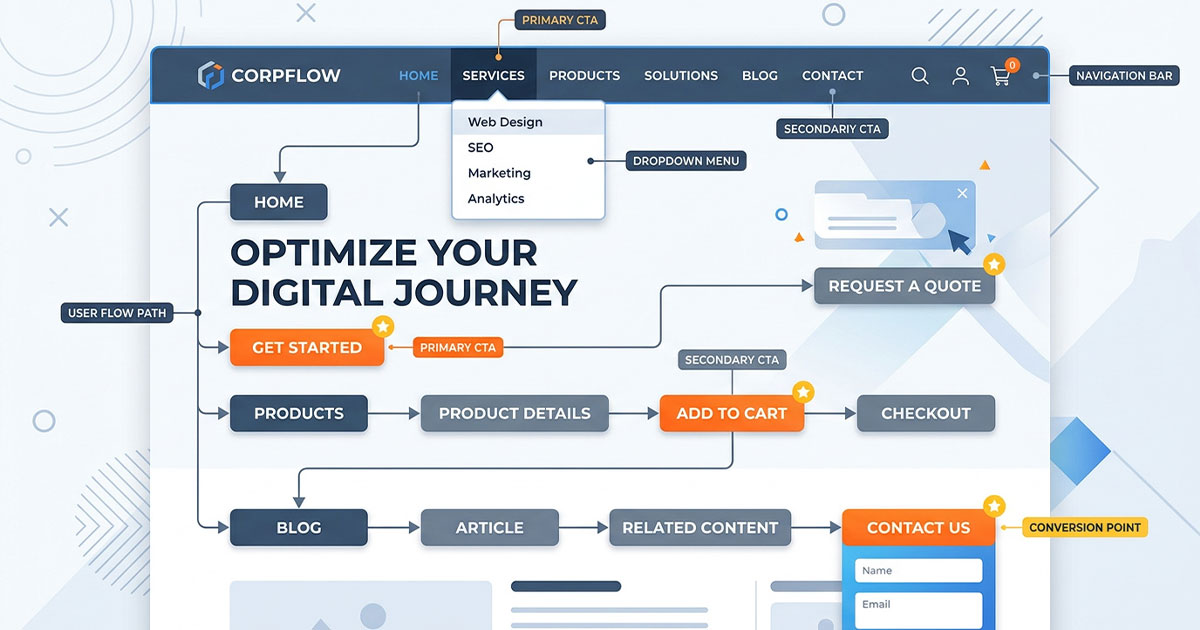
To understand how mobile performance fits into a broader strategy, explore our complete guide to website design that converts visitors into customers.
What Is Mobile Optimization?
Mobile optimization is the process of designing and developing a website so it performs effectively on mobile devices.
This includes ensuring that:
- pages load quickly
- layouts adjust to screen size
- content is easy to read
- navigation is simple
A mobile-optimized website removes barriers that prevent users from taking action.
Why Mobile Optimization Matters for Conversions
Mobile users behave differently than desktop users. They expect speed, clarity, and simplicity. If a website does not meet these expectations, users often leave quickly.
Mobile optimization improves:
- engagement
- usability
- conversion rates
Businesses that prioritize mobile performance often see higher lead generation from mobile traffic.
Responsive Design and Layout
Responsive design allows a website to adapt to different screen sizes. Instead of creating separate versions of a site, responsive design adjusts layout automatically.
This ensures that:
- text remains readable
- images scale properly
- buttons are easy to tap
A responsive layout is essential for maintaining usability across devices.
Mobile Speed and Performance
Speed is even more important on mobile devices. Users expect pages to load quickly, even on slower connections.
Slow mobile websites can lead to:
- higher bounce rates
- reduced engagement
- lower conversions
To understand how speed impacts performance, read Website Speed and Its Impact on SEO and Conversions.
Navigation and User Experience
Mobile navigation should be simple and intuitive. Complex menus or cluttered layouts can make it difficult for users to find information.
Effective mobile navigation includes:
- clear menu structure
- minimal options
- easy access to key pages
A streamlined experience helps users move through the site more efficiently.
Mobile-Friendly Calls to Action
Calls to action must be optimized for mobile interaction.
Buttons should be:
- large enough to tap easily
- clearly visible
- positioned strategically
Mobile users should be able to take action without effort.
Content Readability on Mobile
Content must be easy to read on smaller screens.
This includes:
- shorter paragraphs
- clear headings
- readable font sizes
Structured content improves both user experience and search visibility. To understand how structure impacts performance, read The Role of Content Structure in SEO and AEO.
Mobile Optimization and SEO
Search engines prioritize mobile-friendly websites. Mobile-first indexing means that search engines evaluate the mobile version of a site when determining rankings. Websites that are not optimized for mobile may struggle to appear in:
- search results
- featured snippets
- AI-generated answers
To understand how visibility works, explore How Businesses Can Appear in AI Search Results.
Common Mobile Optimization Mistakes
Many businesses overlook key mobile issues.
Common mistakes include:
- slow load times
- difficult navigation
- small buttons
- unoptimized images
- cluttered layouts
Addressing these issues can significantly improve performance.
How to Improve Mobile Conversions
Improving mobile performance requires focused adjustments.
Businesses can improve results by:
• simplifying design
• improving page speed
• optimizing navigation
• strengthening calls to action
• testing user experience
Consistent improvements lead to better engagement and higher conversions.
Services That Support Mobile Optimization
At PG38 Creative, we build websites designed to perform across all devices. Our approach focuses on creating mobile-friendly systems that support both user experience and conversions.
Explore our Website Design services to learn how we help businesses improve mobile performance.
Frequently Asked Questions
What is mobile optimization?
Mobile optimization is the process of improving a website’s performance and usability on mobile devices.
Why is mobile optimization important for conversions?
Mobile optimization reduces friction and makes it easier for users to take action, improving conversion rates.
Does mobile optimization impact SEO?
Yes. Search engines prioritize mobile-friendly websites through mobile-first indexing.
What makes a website mobile-friendly?
A mobile-friendly website includes responsive design, fast load speed, and easy navigation.
How can I improve mobile performance?
Improving mobile performance involves optimizing speed, simplifying design, and enhancing user experience.
Conclusion
Mobile optimization is no longer optional. It is a critical component of both search visibility and conversion performance. Businesses that prioritize mobile experience create faster, more accessible websites that encourage users to take action.
By focusing on responsiveness, speed, and usability, businesses can turn mobile traffic into meaningful results.
To see how mobile optimization fits into a complete strategy, revisit our complete guide to website design that converts visitors into customers.
About PG38 Creative
Marketing Strategies Built for Growth
PG38 Creative helps businesses grow through strategic marketing, creative content, and advanced search visibility. Our team specializes in website design, video marketing, paid advertising, and modern search strategies like SEO and Answer Engine Optimization (AEO).
We help companies build systems that attract customers, generate leads, and create long-term brand visibility.