Quick Answer
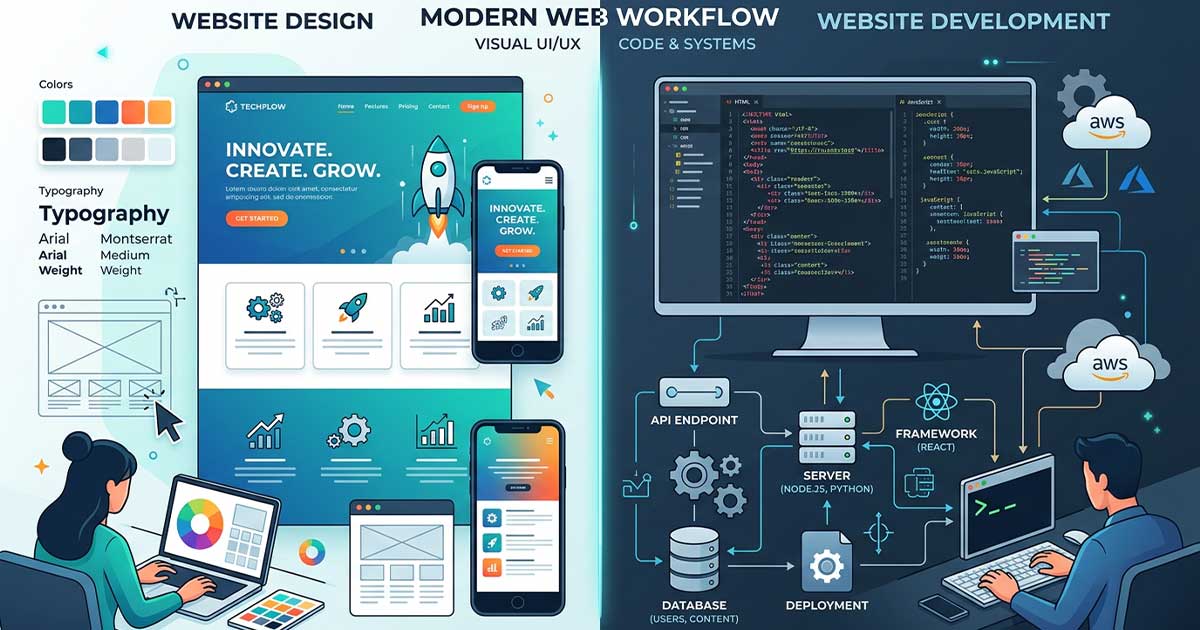
Website design focuses on how a website looks and how users interact with it, including layout, colors, and user experience. Website development focuses on how a website functions, including coding, performance, and technical structure. Both work together to create a website that is visually appealing and capable of generating results.
Many businesses use the terms website design and website development interchangeably. While they are closely related, they serve very different purposes.
Understanding the difference is important when building or improving a website, especially if the goal is to generate leads and drive business growth.
A successful website requires both strong design and solid development working together.
To understand how both contribute to results, explore our complete guide to website design that converts visitors into customers.
What Is Website Design?
Website design focuses on the visual and user-facing aspects of a website.
It determines how a website looks and how users interact with it.
Design includes:
- layout and structure
- colors and branding
- typography
- images and visuals
- user experience (UX)
The goal of website design is to create a clear, engaging experience that guides users toward taking action.
To understand what drives results, read What Makes a High-Converting Website.
What Is Website Development?
Website development focuses on how a website functions behind the scenes.
It involves building the technical foundation that allows a website to operate effectively.
Development includes:
- coding and programming
- website performance and speed
- database integration
- functionality and features
- hosting and infrastructure
While users may not see development directly, it plays a critical role in performance and reliability.
Key Differences Between Design and Development
Although design and development work together, they serve distinct roles.
Website Design
- focuses on appearance and user experience
- guides how users interact with the site
- emphasizes layout and visual flow
Website Development
- focuses on functionality and performance
- ensures the site works properly
- handles technical structure and speed
Both are necessary to create a complete website.
Why Businesses Need Both
A website with strong design but weak development may look good but perform poorly.
A website with strong development but weak design may function properly but fail to engage users.
To generate results, businesses need both.
A balanced approach ensures:
- a professional appearance
- smooth functionality
- fast performance
- strong user experience
How Design and Development Impact Conversions
Design and development both influence conversion rates.
Design affects:
- how users perceive a business
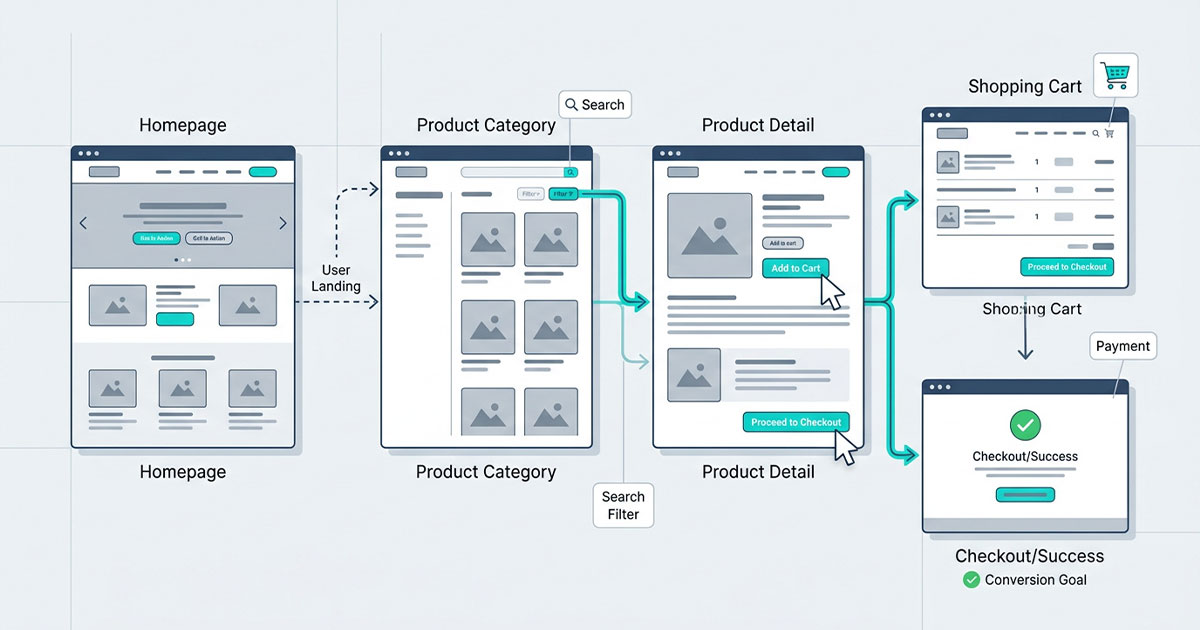
- how easily users navigate the site
- whether users take action
Development affects:
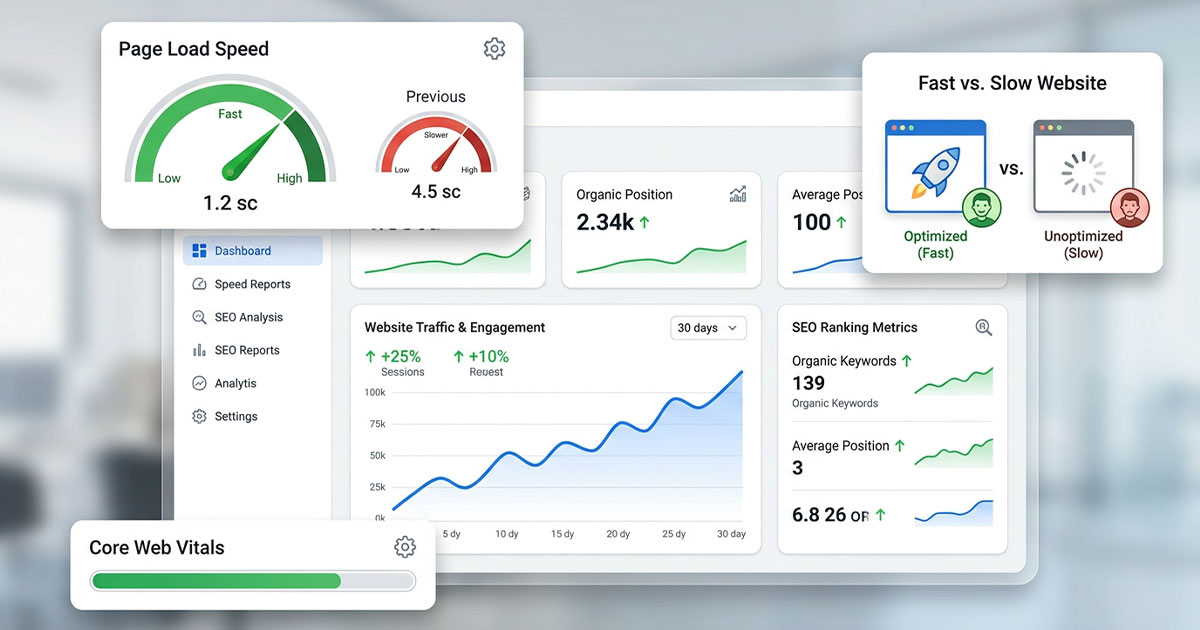
- site speed
- reliability
- overall performance
Together, they create a seamless experience that supports lead generation.
The Role of Structure in Both
Structure is where design and development overlap.
A well-structured website:
- improves readability
- supports SEO and AEO
- helps users find information quickly
Search engines also rely on structure to interpret content.
To understand this further, read The Role of Content Structure in SEO and AEO.
Common Misunderstandings
Many businesses misunderstand the relationship between design and development.
Common misconceptions include:
- thinking design is only about visuals
- assuming development does not impact user experience
- believing one is more important than the other
In reality, both are essential.
How This Impacts SEO and Visibility
Search engines evaluate both design and development elements.
Factors such as:
- page speed
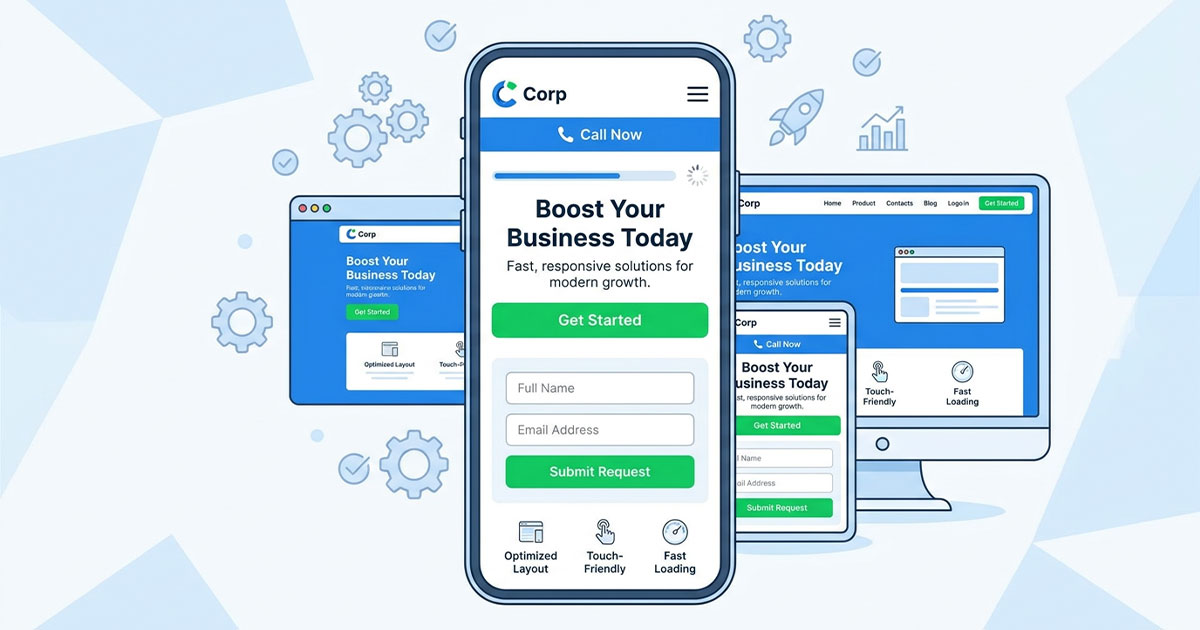
- mobile usability
- structured content
all influence search visibility.
Websites that combine strong design and development are more likely to perform well in:
- search results
- AI-generated summaries
- user engagement metrics
To understand how visibility works, explore How Businesses Can Appear in AI Search Results.
Choosing the Right Approach for Your Business
When building or improving a website, businesses should focus on:
- clear goals
- user experience
- performance
- scalability
Working with a team that understands both design and development ensures better results.
Services That Combine Design and Development
At PG38 Creative, we build websites that combine both visual design and technical performance.
Our approach focuses on creating systems that generate results, not just websites that look good.
Explore our Website Design services to learn how we help businesses build high-performing websites.
Frequently Asked Questions
What is the difference between website design and development?
Website design focuses on how a site looks and feels, while development focuses on how it functions.
Do I need both design and development?
Yes. Both are necessary to create a website that performs well and generates results.
Which is more important, design or development?
Both are equally important. Design attracts users, and development ensures the website works properly.
Does website development affect SEO?
Yes. Development impacts speed, performance, and structure, all of which influence search rankings.
Conclusion
Website design and website development are two essential components of a successful online presence. While they serve different roles, they must work together to create a website that is both functional and effective.
Businesses that understand this balance are better positioned to build websites that not only look professional but also generate measurable results.
To see how everything connects, revisit our complete guide to website design that converts visitors into customers.
About PG38 Creative
Marketing Strategies Built for Growth
PG38 Creative helps businesses grow through strategic marketing, creative content, and advanced search visibility. Our team specializes in website design, video marketing, paid advertising, and modern search strategies like SEO and Answer Engine Optimization (AEO).
We help companies build systems that attract customers, generate leads, and create long-term brand visibility.