Quick Answer
Website performance and conversions can be tracked using tools that measure traffic, user behavior, and completed actions such as form submissions or calls. By analyzing these metrics, businesses can understand what is working, identify areas for improvement, and increase lead generation.
A website without data is difficult to improve.
Many businesses invest in website design and marketing but do not track how their site is performing. Without clear insights, it becomes challenging to understand what is working and where improvements are needed.
Tracking website performance and conversions allows businesses to make informed decisions and improve results over time.
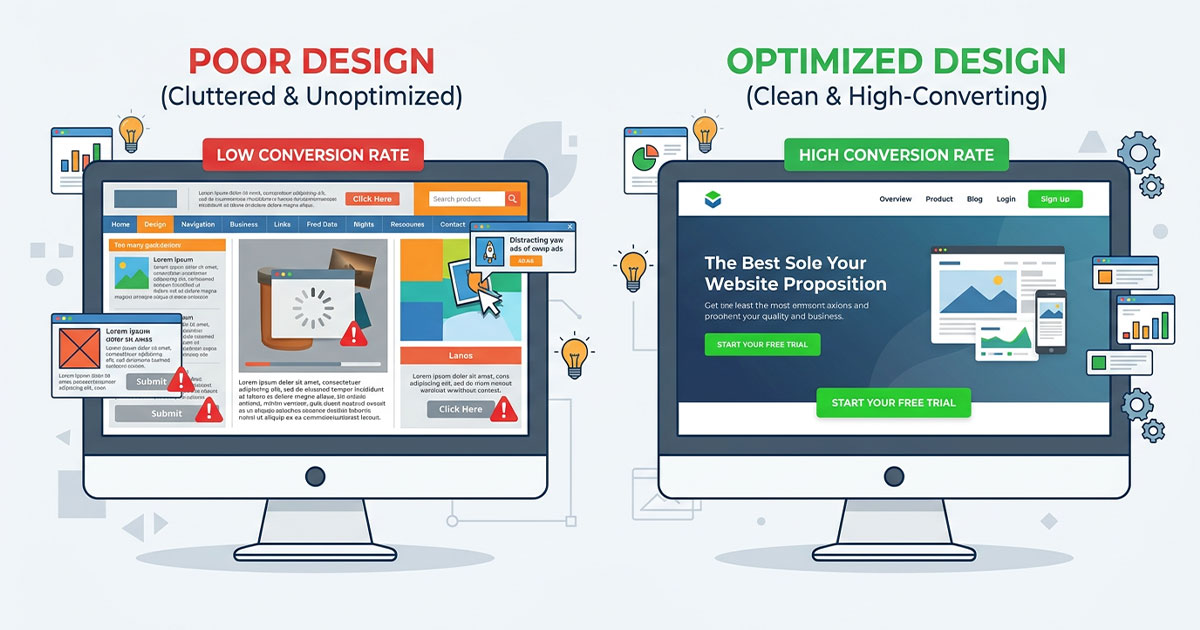
To understand how performance fits into a broader strategy, explore our complete guide to website design that converts visitors into customers.
What Is Website Performance Tracking?
Website performance tracking involves measuring how users interact with a website.
This includes:
- how users arrive at the site
- how they navigate through pages
- how long they stay
- whether they take action
Tracking these behaviors helps identify strengths and weaknesses in a website.
What Are Conversions?
A conversion occurs when a user completes a desired action. Common conversions include:
- submitting a contact form
- requesting a quote
- making a phone call
- scheduling a consultation
Conversions are the primary measure of how effective a website is at generating results.
Why Tracking Matters for Business Growth
Tracking performance provides valuable insights. It allows businesses to:
- understand user behavior
- identify high-performing pages
- improve conversion rates
- make data-driven decisions
Without tracking, improvements are based on assumptions rather than real data.
Key Metrics to Track
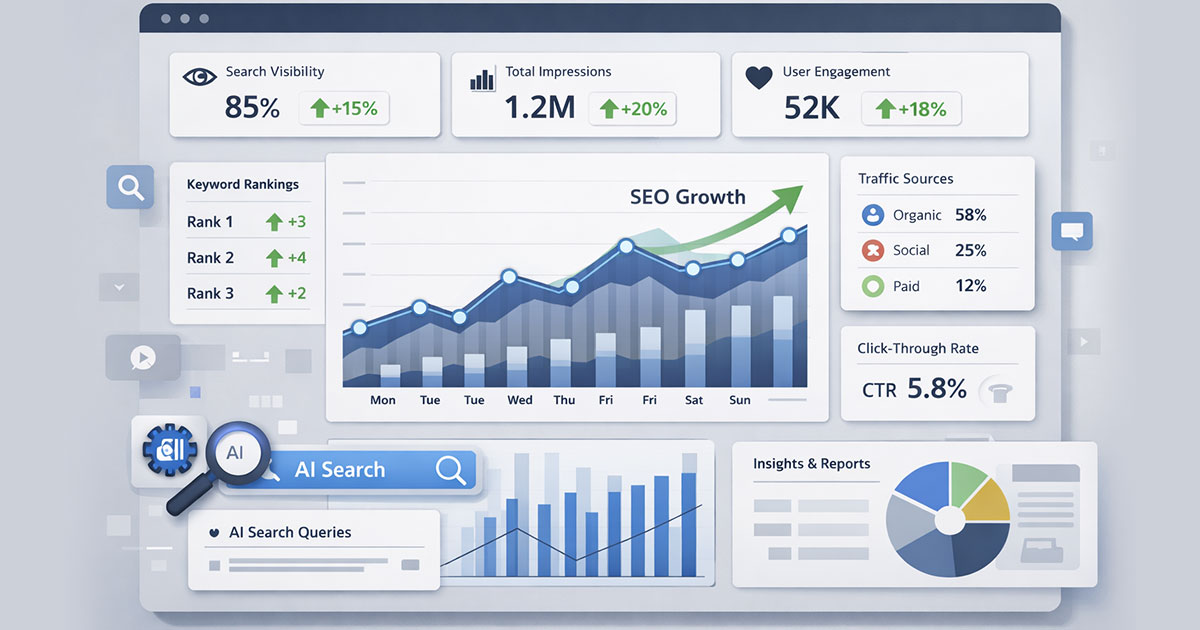
Traffic
Traffic measures how many users visit a website. It helps businesses understand the reach of their marketing efforts.
Engagement
Engagement metrics include:
- time on page
- pages per session
- bounce rate
These metrics show how users interact with content.
Conversion Rate
Conversion rate measures the percentage of users who take action. Improving this metric is one of the most effective ways to increase results.
User Behavior
Understanding how users move through a site helps identify friction points. This includes tracking:
- navigation paths
- click behavior
- drop-off points
Tools for Tracking Website Performance
Several tools help businesses monitor performance. These include:
- analytics platforms for traffic and behavior
- tracking tools for conversions
- reporting systems for performance insights
These tools provide the data needed to improve results.
The Role of Landing Pages in Tracking
Landing pages are ideal for tracking performance because they focus on a single goal. This makes it easier to measure:
- conversion rates
- user behavior
- campaign effectiveness
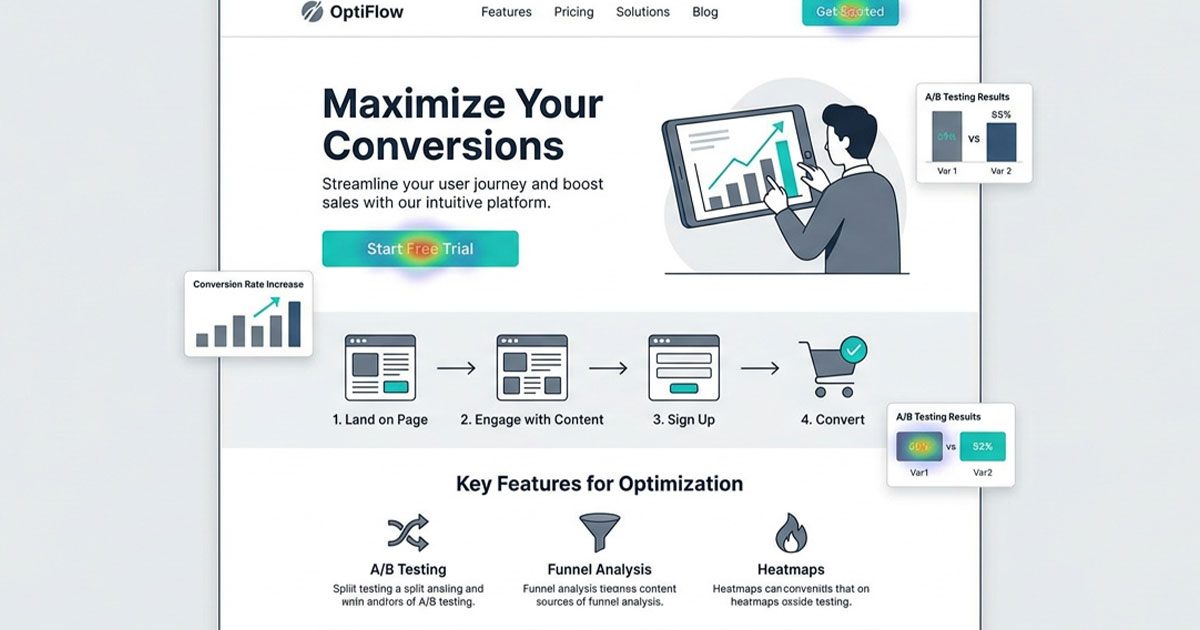
To understand how landing pages drive results, read Landing Page Optimization: How to Turn Traffic into Leads.
How Tracking Improves Conversions
Tracking allows businesses to identify what is working and what is not. This leads to better decision-making.
For example, businesses can:
- improve messaging
- adjust layout
- optimize calls to action
- refine user experience
To understand what drives conversions, read What Makes a High-Converting Website.
Tracking and User Experience
User experience plays a major role in performance. Tracking data helps identify areas where users experience friction.
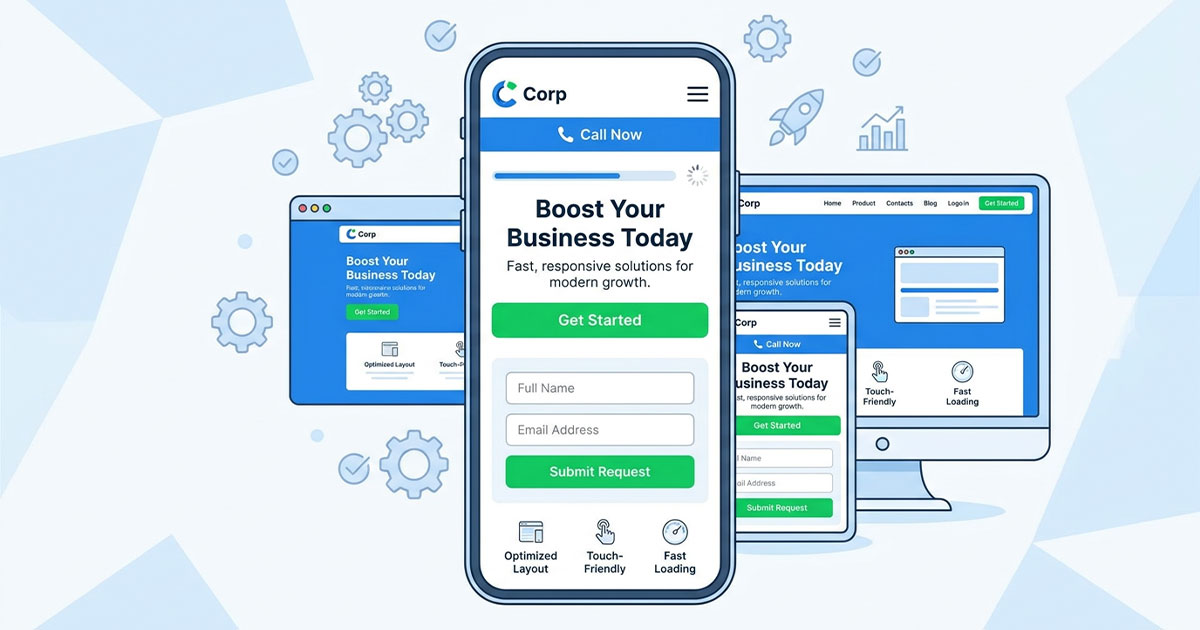
To understand how UX impacts results, read User Experience (UX) Design for Lead Generation.
Tracking and SEO Performance
Tracking also supports SEO efforts. By analyzing performance data, businesses can:
- identify high-ranking pages
- improve content
- optimize structure
To understand how structure impacts visibility, read How to Structure a Website for SEO and AEO.
Common Tracking Mistakes
Many businesses struggle with tracking due to common issues.
These include:
- not tracking conversions
- focusing only on traffic
- ignoring user behavior
- failing to analyze data
Avoiding these mistakes improves decision-making.
How to Improve Tracking and Results
Businesses can improve tracking by:
• defining clear goals
• setting up conversion tracking
• analyzing user behavior
• making data-driven adjustments
Consistent tracking leads to better performance over time.
Services That Support Website Performance
At PG38 Creative, we help businesses track, analyze, and improve website performance. Our approach focuses on creating systems that generate measurable results.
Explore our Website Design services to learn how we help businesses improve conversions.
Frequently Asked Questions
What is website performance tracking?
Website performance tracking measures how users interact with a site and how effectively it generates results.
What is a conversion?
A conversion is a completed action such as a form submission, call, or service request.
Why is tracking important?
Tracking helps businesses understand performance and make informed decisions.
What metrics should I track?
Key metrics include traffic, engagement, conversion rate, and user behavior.
How can I improve website performance?
You can improve performance by analyzing data, optimizing content, and refining user experience.
Conclusion
Tracking website performance and conversions is essential for improving results. By understanding how users interact with a site and where improvements can be made, businesses can increase engagement and generate more leads.
Data-driven decisions lead to stronger performance over time.
To see how tracking fits into a complete strategy, revisit our complete guide to website design that converts visitors into customers.
About PG38 Creative
Marketing Strategies Built for Growth
PG38 Creative helps businesses grow through strategic marketing, creative content, and advanced search visibility. Our team specializes in website design, video marketing, paid advertising, and modern search strategies like SEO and Answer Engine Optimization (AEO).
We help companies build systems that attract customers, generate leads, and create long-term brand visibility.