Quick Answer
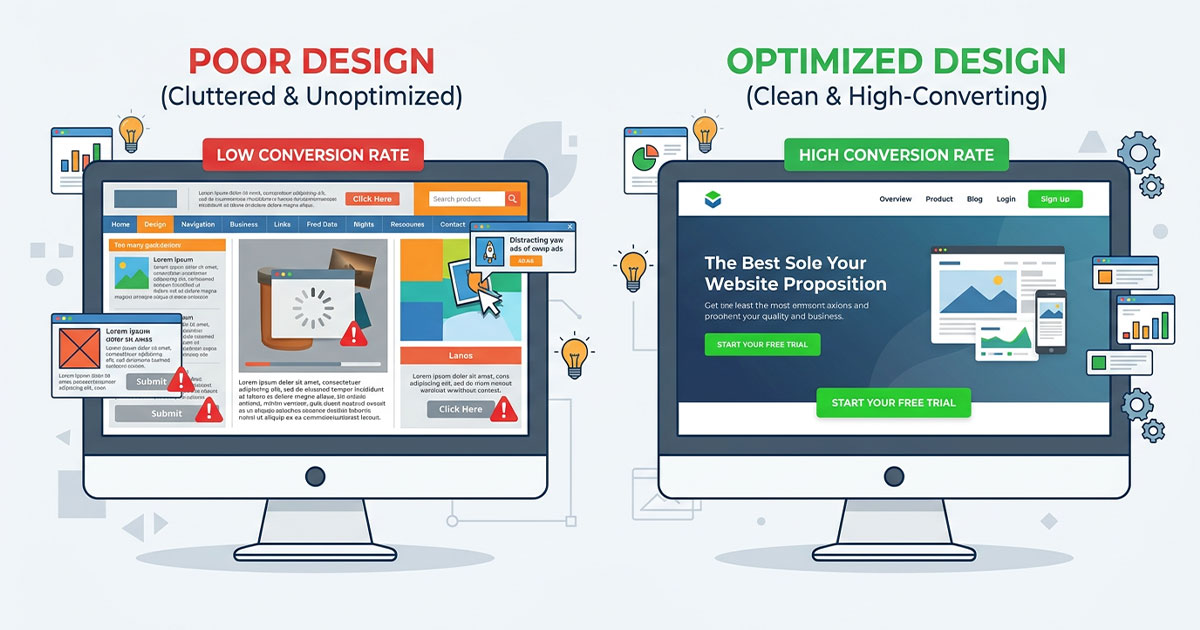
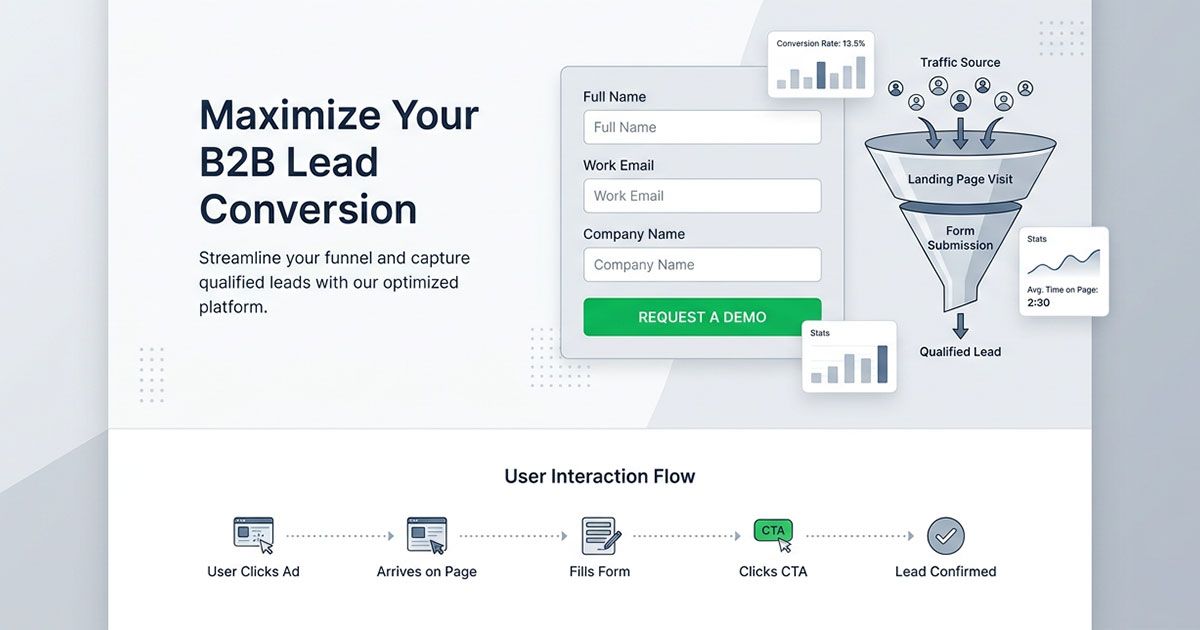
A high-converting website is built to turn visitors into leads or customers by guiding them toward specific actions. This is achieved through clear messaging, strong calls to action, fast performance, mobile optimization, and a structured layout that makes it easy for users to navigate and take the next step.
Not all websites are built to generate results.
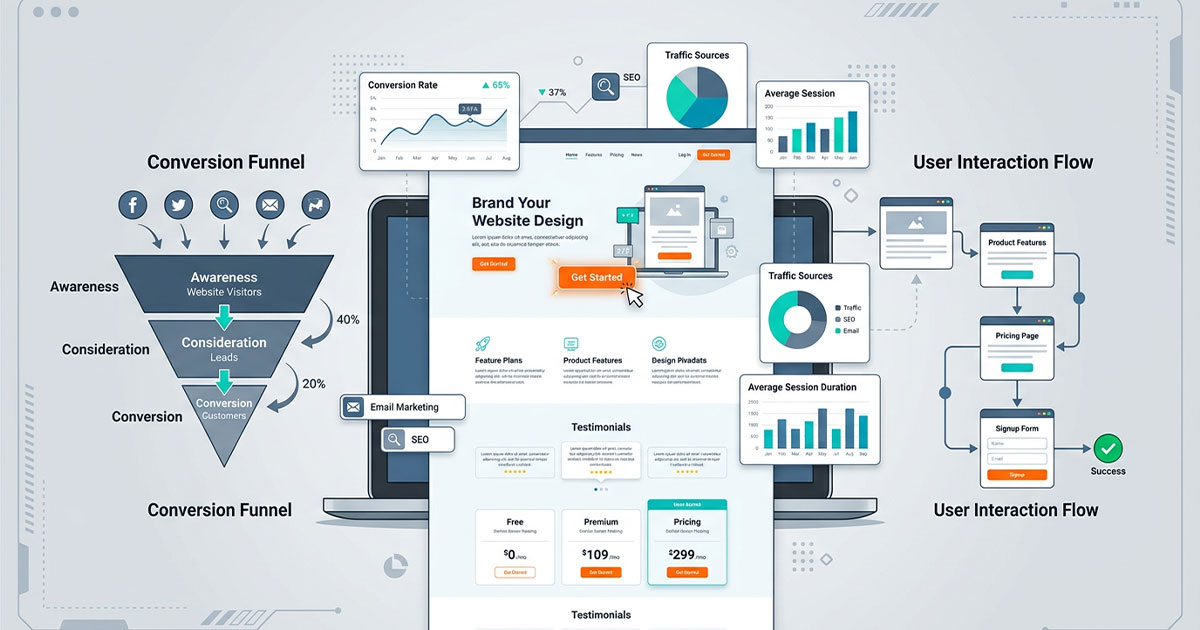
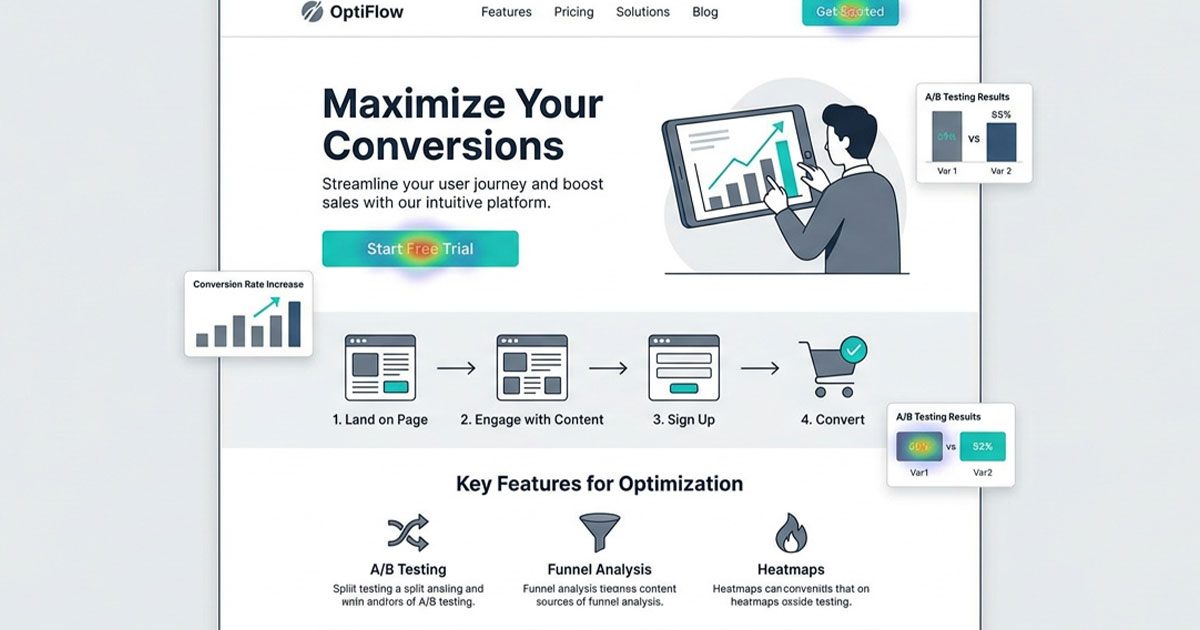
Many businesses invest in design but overlook what actually drives conversions. A high-converting website is not just visually appealing. It is structured to guide visitors toward taking action.
Whether the goal is generating leads, booking appointments, or increasing sales, the website must support that objective.
To understand the full strategy behind conversion-focused websites, explore our complete guide to website design that converts visitors into customers.
What Defines a High-Converting Website?
A high-converting website is designed with a clear purpose.
Instead of simply presenting information, it leads users through a journey that results in action.
This action may include:
- filling out a contact form
- requesting a quote
- scheduling a consultation
- making a purchase
Every element of the website should support this goal.
Clear and Immediate Messaging
Visitors should understand what your business offers within seconds.
Strong messaging includes:
- a clear headline
- a direct value proposition
- supporting content that explains benefits
Confusing or vague messaging often leads to lost opportunities.
Strong Calls to Action (CTAs)
Calls to action are one of the most important elements of a high-converting website.
They tell users exactly what to do next.
Effective CTAs are:
- visible and easy to find
- action-oriented
- consistent throughout the page
Examples include:
- “Request a Quote”
- “Get Started Today”
- “Schedule a Call”
User Experience and Navigation
A high-converting website makes it easy for users to find what they need.
Good navigation reduces friction and improves engagement.
Key elements include:
- simple menu structure
- logical page flow
- clear section organization
To understand how structure impacts performance, read The Role of Content Structure in SEO and AEO.
Mobile Optimization
A large percentage of website traffic comes from mobile devices.
If a website does not perform well on mobile, conversions will suffer.
Mobile optimization includes:
- responsive design
- fast load times
- easy-to-click buttons
- readable text
Search engines also prioritize mobile-friendly websites.
Website Speed and Performance
Speed plays a critical role in user experience.
Slow websites increase bounce rates and reduce conversions.
High-converting websites are optimized for:
- fast page load times
- efficient image usage
- clean code and structure
Performance also supports visibility in search results.
Trust and Credibility
Visitors are more likely to take action when they trust a business.
Trust can be built through:
- professional design
- testimonials and reviews
- clear contact information
- consistent branding
Credibility plays a major role in conversion rates.
Content That Guides Users
Content should not overwhelm users.
Instead, it should guide them step-by-step.
Effective content includes:
- clear headings
- short paragraphs
- structured sections
- relevant supporting visuals
This approach improves both readability and engagement.
Alignment with SEO and AEO
A high-converting website is also optimized for visibility.
Search engines and AI-driven platforms evaluate how content is structured and delivered.
Websites that align with SEO and AEO strategies are more likely to appear in:
- search results
- featured snippets
- AI-generated answers
To understand how visibility connects to performance, explore How Businesses Can Appear in AI Search Results.
Common Characteristics of High-Converting Websites
High-performing websites often share similar traits:
- clear messaging
- strong calls to action
- fast performance
- mobile optimization
- structured content
- trust-building elements
These components work together to improve conversion rates.
How to Improve Your Website’s Conversion Rate
Businesses can improve conversions by making targeted adjustments.
Key strategies include:
- simplifying the layout
- improving messaging clarity
- strengthening calls to action
- optimizing page speed
- analyzing user behavior
Small improvements can lead to significant results over time.
Services That Support High-Converting Websites
Building a high-converting website requires both strategy and execution.
At PG38 Creative, we focus on creating systems that generate results.
Explore our Website Design services to learn how we help businesses build conversion-focused websites.
Frequently Asked Questions
What is a high-converting website?
A high-converting website is designed to guide visitors toward taking specific actions such as submitting a form or contacting a business.
Why do some websites fail to convert?
Websites often fail due to poor messaging, weak calls to action, slow performance, or confusing navigation.
How can I improve my website conversions?
Improving conversions involves optimizing layout, messaging, speed, and user experience.
Does website design impact SEO?
Yes. Website design affects site speed, structure, and user behavior, all of which influence search visibility.
Conclusion
A high-converting website is built with purpose. Every element should guide users toward taking action.
By focusing on clear messaging, strong calls to action, and a seamless user experience, businesses can turn website traffic into measurable results.
To see how website performance connects with search visibility, revisit our complete guide to website design that converts visitors into customers.
About PG38 Creative
Marketing Strategies Built for Growth
PG38 Creative helps businesses grow through strategic marketing, creative content, and advanced search visibility. Our team specializes in website design, video marketing, paid advertising, and modern search strategies like SEO and Answer Engine Optimization (AEO).
We help companies build systems that attract customers, generate leads, and create long-term brand visibility.