Quick Answer
SEO and AEO performance are measured by tracking how often content appears in search results, how users interact with it, and how effectively it answers search queries. Key metrics include impressions, click-through rates, rankings, and engagement, along with visibility in featured snippets and AI-generated search summaries.
A website may look professional, but if users cannot easily navigate it or understand what to do next, it will struggle to generate results.
User experience, often referred to as UX, plays a critical role in how visitors interact with a website. It determines whether users stay, engage, and ultimately take action.
UX design focuses on removing friction and guiding users through a clear path toward conversion.
To understand how UX fits into a broader strategy, explore our complete guide to website design that converts visitors into customers.
What Is User Experience (UX) Design?
User experience design focuses on how users interact with a website.
It includes how easily users can:
- navigate pages
- find information
- understand content
- take action
A well-designed user experience ensures that visitors can move through a website without confusion or frustration.
Why UX Design Matters for Lead Generation
UX design directly impacts conversion rates. If users encounter friction, they are more likely to leave the site without taking action.
A strong UX improves:
- engagement
- trust
- usability
- conversions
Businesses that prioritize UX design create smoother experiences that encourage users to become leads.
The Role of UX in Conversion Optimization
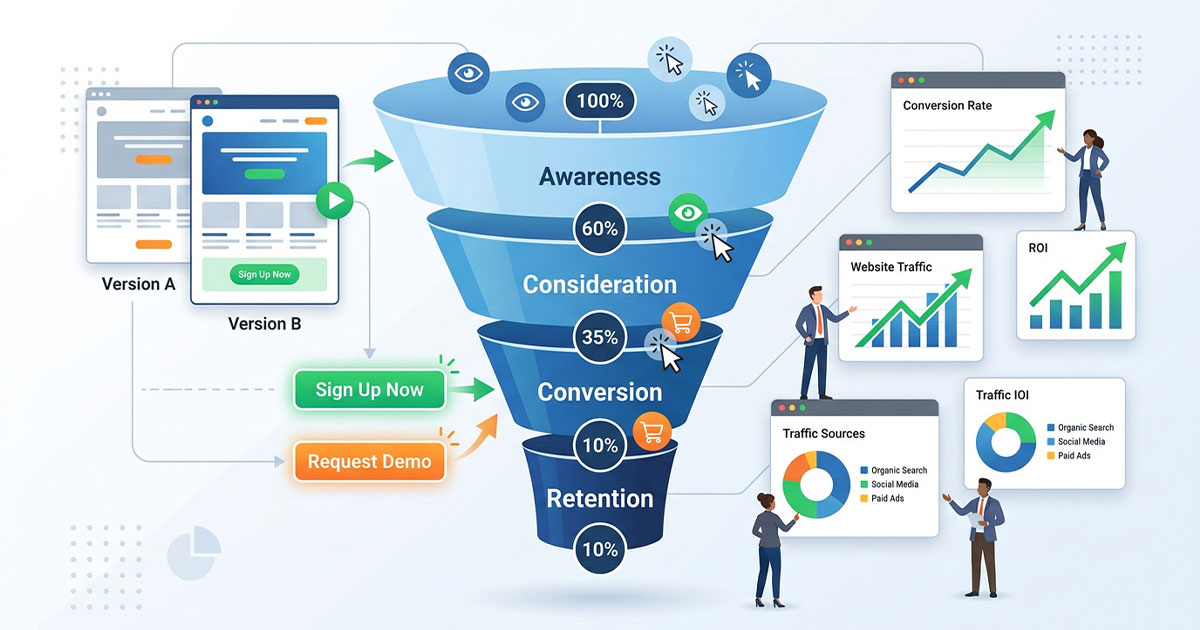
UX design is a key component of conversion optimization. Every interaction on a website influences whether a user completes a desired action.
Effective UX design:
- reduces friction
- simplifies decision-making
- guides users toward clear outcomes
To understand the broader concept, read What Makes a High-Converting Website.
Key Elements of Effective UX Design
Several elements contribute to a strong user experience.
Clear Navigation
Navigation should be simple and intuitive. Users should be able to find what they need quickly without confusion.
Logical Page Structure
Content should be organized in a way that makes sense. Clear headings and structured sections help users process information efficiently.
To understand how structure impacts performance, read The Role of Content Structure in SEO and AEO.
Consistent Design
Consistency helps users feel comfortable navigating a website. This includes consistent:
- layouts
- colors
- fonts
- design elements
Fast Performance
Speed is a critical part of UX. Slow websites create frustration and reduce engagement. To understand how performance impacts results, read Website Speed and Its Impact on SEO and Conversions.
Mobile-Friendly Experience
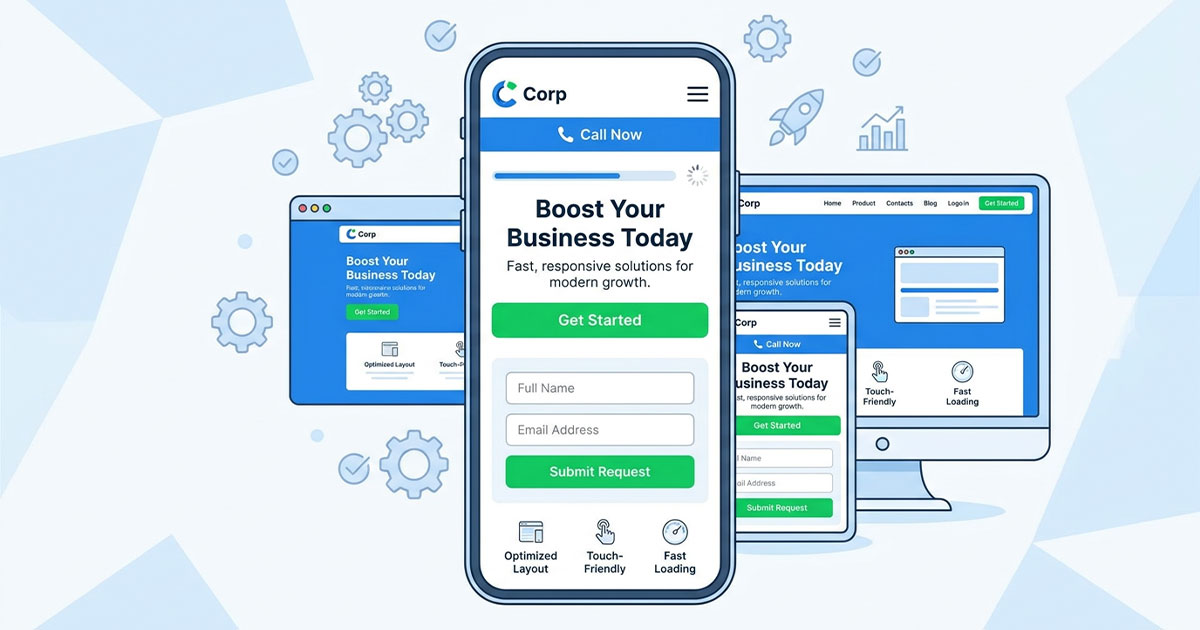
UX must be optimized for mobile devices. Mobile users expect a seamless experience with easy navigation and fast load times. To learn more, read Mobile Optimization for Website Conversions.
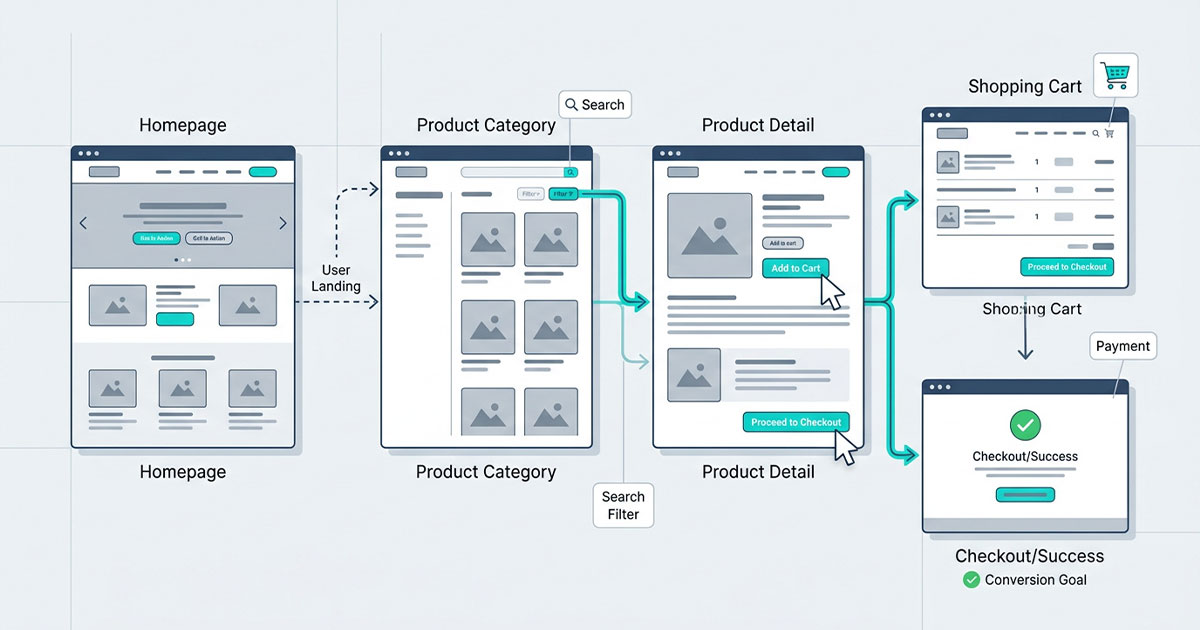
How UX Design Guides Users Toward Action
A strong user experience creates a clear path for users to follow. This path should lead them toward a specific action, such as:
- filling out a form
- requesting a quote
- scheduling a consultation
UX design ensures that users always know what to do next.
Reducing Friction in the User Journey
Friction occurs when users encounter obstacles. Common sources of friction include:
- confusing layouts
- unclear messaging
- slow load times
- too many steps
Reducing friction improves the likelihood of conversion.
UX and Landing Pages
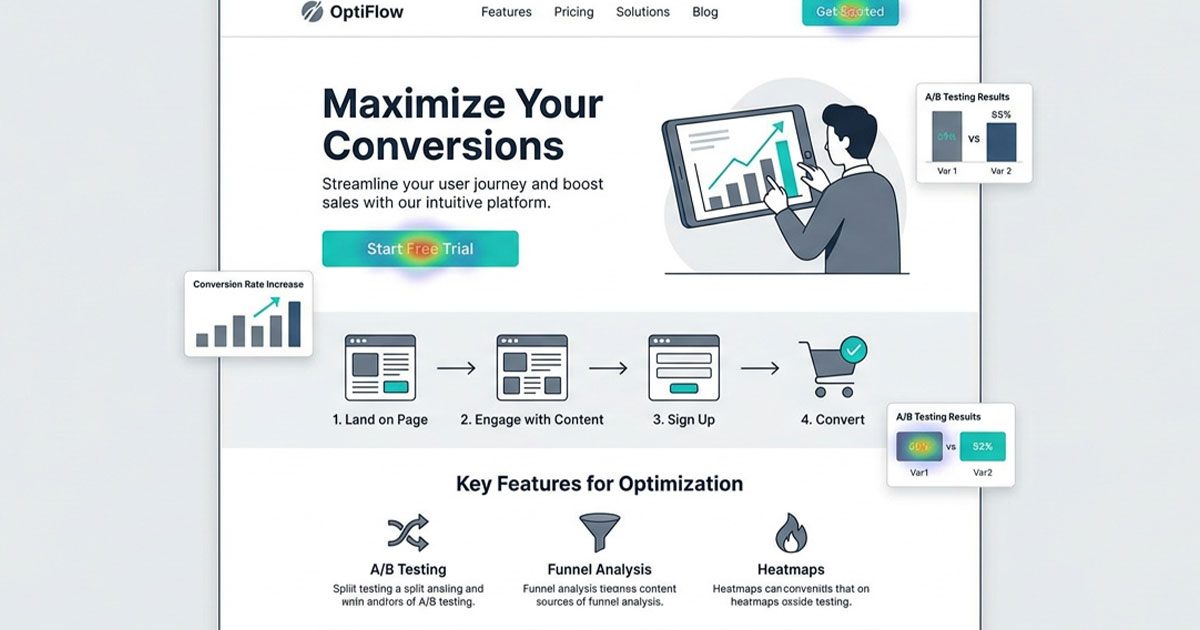
Landing pages rely heavily on user experience. A well-designed landing page simplifies the user journey and focuses on a single goal.
To understand how landing pages drive conversions, read Landing Page Optimization: How to Turn Traffic into Leads.
Common UX Mistakes
Many businesses struggle with UX due to common issues.
These include:
- cluttered design
- inconsistent layouts
- unclear navigation
- poor mobile experience
- lack of direction
Addressing these issues can significantly improve results.
How to Improve UX for Lead Generation
Improving UX requires a strategic approach. Businesses can improve performance by:
- simplifying navigation
- organizing content clearly
- improving page speed
- optimizing for mobile
- strengthening calls to action
Continuous improvement leads to better engagement and higher conversion rates.
Services That Support UX Design
At PG38 Creative, we design websites that focus on user experience and performance. Our approach is built around creating systems that guide users toward action and generate measurable results.
Explore our Website Design services to learn how we help businesses improve UX and conversions.
Frequently Asked Questions
What is UX design?
UX design focuses on how users interact with a website and how easily they can navigate and take action.
Why is UX important for lead generation?
UX reduces friction and makes it easier for users to complete actions, increasing conversion rates.
How does UX impact conversions?
Better UX improves engagement, builds trust, and guides users toward taking action.
What are common UX mistakes?
Common mistakes include poor navigation, slow load times, cluttered design, and unclear messaging.
How can I improve my website’s UX?
You can improve UX by simplifying navigation, improving structure, optimizing speed, and focusing on user needs.
Conclusion
User experience design is one of the most important factors in converting website visitors into leads. A well-structured, easy-to-use website helps users navigate, understand content, and take action.
By focusing on reducing friction and guiding users through a clear path, businesses can improve engagement and generate better results.
To see how UX fits into a complete strategy, revisit our complete guide to website design that converts visitors into customers.
About PG38 Creative
Marketing Strategies Built for Growth
PG38 Creative helps businesses grow through strategic marketing, creative content, and advanced search visibility. Our team specializes in website design, video marketing, paid advertising, and modern search strategies like SEO and Answer Engine Optimization (AEO).
We help companies build systems that attract customers, generate leads, and create long-term brand visibility.